 Mirë se erdhët
How we sang
Albanian folk music: iso-polyphony, lahuta, çifteli
Albanian music has two famous ends: many-voiced singing in the south, and one singer with a lahuta in the north.
Updated
Short answer
Iso-polyphony is many-voiced folk singing over a drone, the iso; UNESCO proclaimed it in 2005 and inscribed it in 2008. The lahuta is a one-string instrument played while singing legends and history, on UNESCO's urgent list since 2025. The çifteli is a two-string long-necked lute.
Verified · checked on 25 Oct 2026
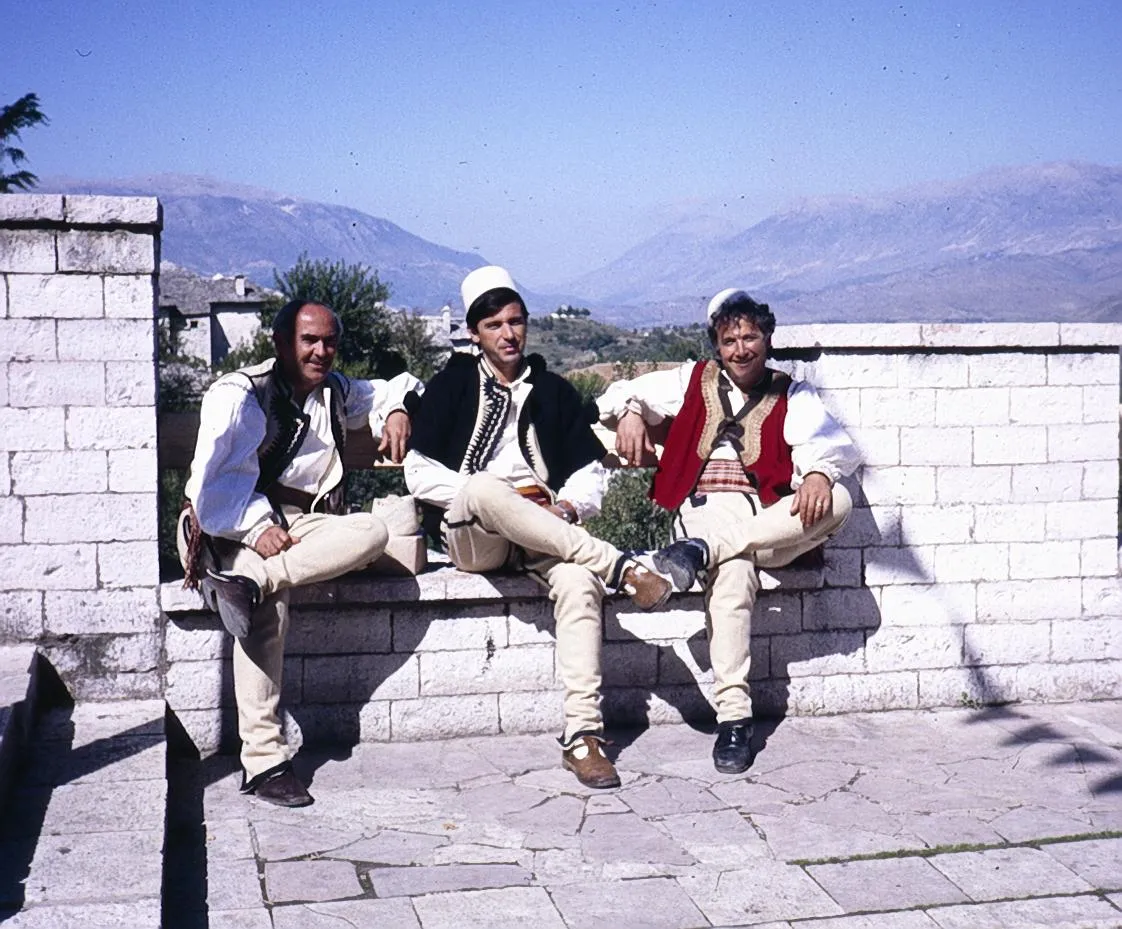
Iso-polyphony
Verified · checked on 25 Oct 2026
UNESCO describes two main styles: the Ghegs of the north, and the Tosks and Labs of the south. Iso is related to the ison of Byzantine church music and means the drone under the singing. Tosks hold it continuously on the syllable e; Labs sometimes sing it as a rhythmic tone to the words.
The songs have two solo parts, melody and counter-melody, over a choral drone. They are sung mostly by men, at weddings, funerals, harvest feasts and festivals such as the national folk festival in Gjirokastër.
The lahuta and epic songs
Verified · checked on 25 Oct 2026
The lahuta is a single-stringed wooden instrument from the rural north and northwest of Albania, with a leather-covered sound box and a carved neck, made of maple or walnut. The string was once horsehair and is now often nylon. The player sings while playing, telling legends, historical events or personal stories. It was traditionally played by men; today women play too. In 2025 UNESCO listed the art of playing, singing and making it for urgent safeguarding.
The American scholar Albert Lord recorded epic singers in northern Albania in the autumn of 1937 and took down more than 100 epic songs, including the longest Albanian epic ever collected. The collection is at Harvard.
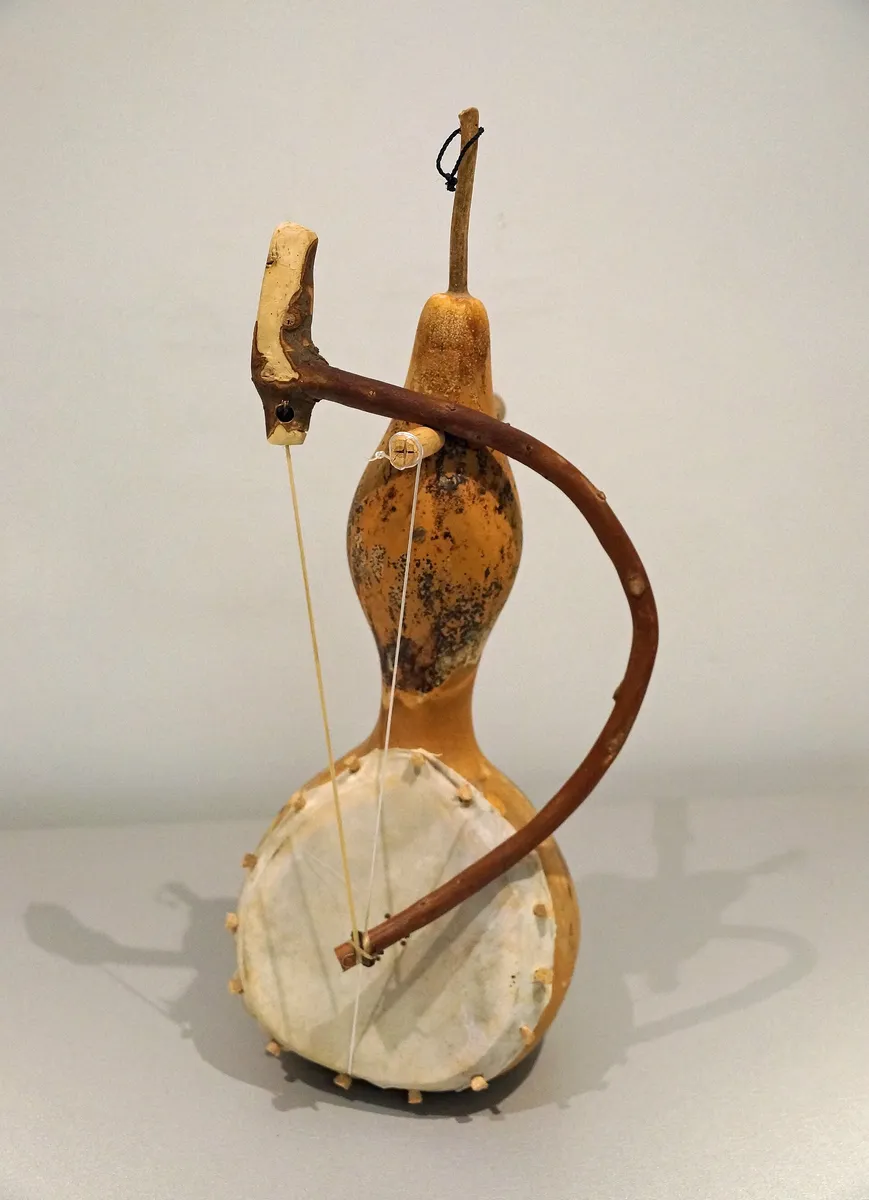
Sources: UNESCO: Art of playing, singing and making the lahuta (2025) · Milman Parry Collection, Harvard: the Lord Albanian collection
The çifteli
Verified · checked on 25 Oct 2026
The çifteli is a two-string, long-necked lute of northern Albania, Kosovo and North Macedonia. The name comes from the Turkish çifte telli, two-stringed.
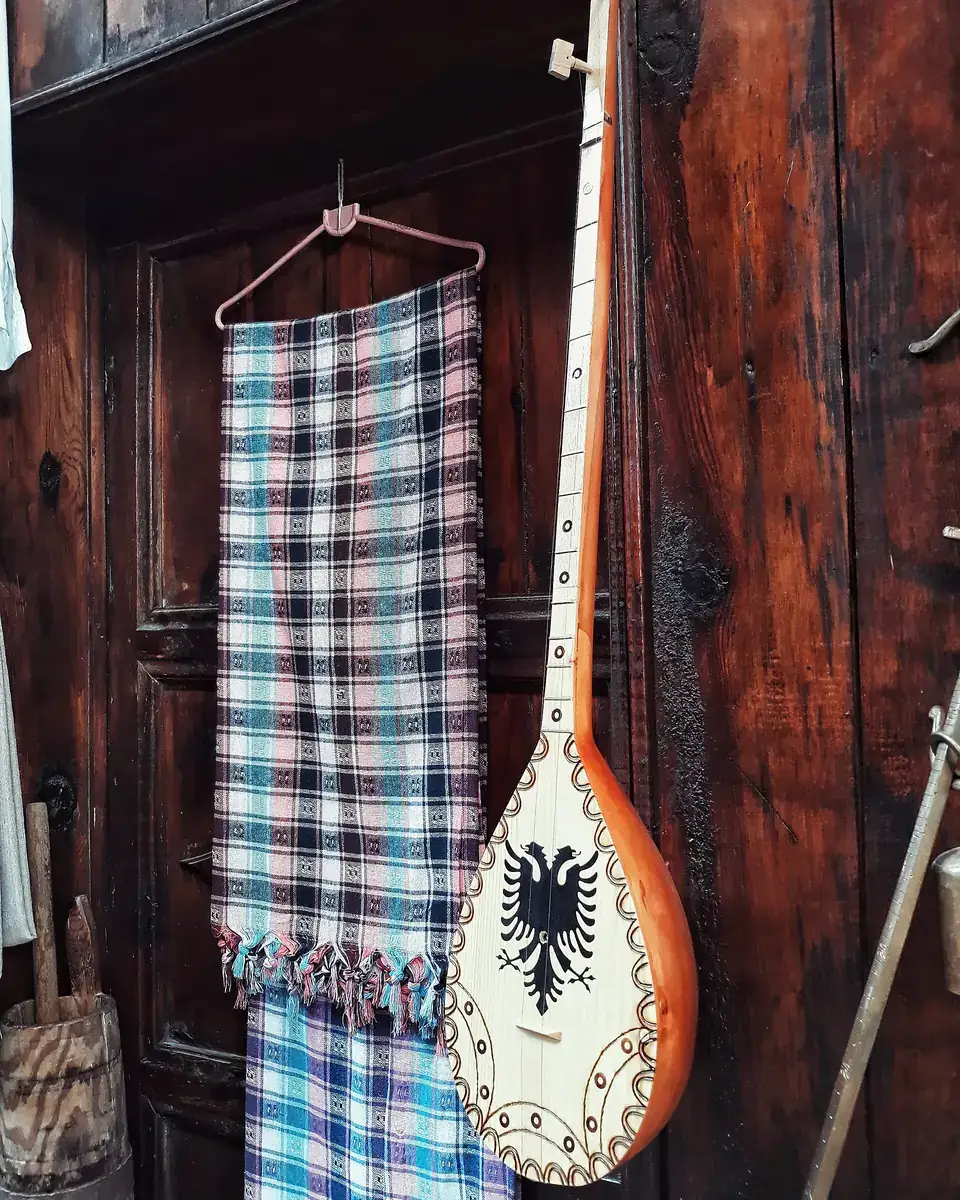
Source: Encyclopedia of Ethnomusicology Online (Ardian Ahmedaja): Çifteli
Frequently asked questions
What is Albanian iso-polyphony?
Many-voiced folk singing with two solo parts over a held drone, the iso. UNESCO proclaimed it in 2005 and inscribed it in 2008.
What is a lahuta?
A single-stringed wooden instrument with a leather-covered sound box from northern Albania. The player sings legends and history to it. UNESCO listed it for urgent safeguarding in 2025.
What is the difference between a lahuta and a çifteli?
The lahuta has one string and a leather-covered sound box; the çifteli is a two-string long-necked lute.
Sources
- UNESCO: Albanian folk iso-polyphony
- UNESCO: Art of playing, singing and making the lahuta (2025)
- Milman Parry Collection, Harvard: the Lord Albanian collection
- Encyclopedia of Ethnomusicology Online (Ardian Ahmedaja): Çifteli
All sources checked on 25 Oct 2026. Anything we could not source was left out. Spotted a mistake? Tell us and we will fix it.
More photos of Albanian traditions on Beatrika's Instagram: @traditat_shqiptaree ↗
Keep exploring
- Albanian weddings: music and dances
- Events and festivals
- The Illyrians and Albanian origins
- Besa and the Kanun: the Albanian code of honour
- Albanian traditional dress: xhubleta and plis
- Dita e Verës: Summer Day, 14 March
- Albanian hospitality: oda, coffee, bread and salt
- Albanian wedding traditions and bride customs
- All traditions
Weekly newsletter
Stay in the loop
New places, events and travel news from Kosovo and Albania, for the diaspora and visitors alike, once a week. Free.
We’ll only use your email for this newsletter. Unsubscribe anytime. Privacy